


Lithium batteries are ideal for camping, caravan, and RV adventures, providing a lightweight and effective power solution for your camping essentials. In this guide, we’ll go through everything you need to know about lithium batteries, and the key factors to consider when choosing the best one for your needs.
Table of Contents
ToggleWhat is a Lithium Battery?
Lithium batteries have become an increasingly popular choice for campers in Australia, offering an effective and lightweight power solution for camping equipment. These batteries are commonly used to power camping essentials such as portable fridges, lights, fans, and devices. Their high energy density allows for longer-lasting power, and they’re considerably lighter weight than traditional lead-acid batteries, making them ideal for camping and RV adventures where weight is a crucial factor.
Their ability to deliver consistent power supply, faster charging times, and durability make them well-suited for the demanding conditions often encountered in the diverse landscapes of Australia. And, since they ensure reliable and efficient power for extended periods, they ultimately enhance the overall camping experience.
How to Charge a Lithium Battery
Charging lithium batteries can be simple, especially when leveraging solar power solutions. Utilising solar panels or a solar blanket is a sustainable and convenient way to recharge lithium batteries during outdoor adventures. So, if you haven’t already done so, it may be time to invest in a solar panel or solar blanket for caravan, RV, and camping trips.
To charge lithium batteries using solar energy:
- First, unfold and set up your solar panels or blanket in an area with direct sunlight.
- Connect your solar equipment to a solar charge controller. This regulates the charging process and protects the battery from overcharging.
- Then, connect your lithium battery to the charge controller, and you’re good to go!
This solar-powered charging method offers an eco-friendly energy source that ensures a reliable power supply for your camping supplies in remote locations across the vast terrains of Australia.
If your camping vehicle isn’t powered by solar energy, don’t stress. Here are some alternative methods to charge your lithium battery:
- Generator: Using a portable generator is a reliable way to charge lithium batteries. Ensure that the generator’s power output matches the requirements of your battery charger and make sure to follow the safety guidelines for generator use.
- Vehicle: While on the move, you can charge your lithium battery by connecting it to your vehicle’s main battery, via a DC to SC charger. Install a battery isolator to stop charging when the vehicle is turned off to prevent draining the vehicle’s main battery.
- Battery charger: Portable battery chargers designed for lithium batteries can be connected to a standard electrical outlet. These chargers are compact and convenient for recharging batteries when near a power source.
- Power stations: Some campsites offer facilities with power packs or charging stations. These locations allow campers to recharge devices, including lithium batteries (via battery charger), using shared power resources.
Capacity and Voltage

Weight
For camping trips where weight is a critical factor, like 4WD camping, opt for a lightweight lithium battery. The BLA Marine Performance 12V Lithium battery is an example known for its lightweight design, weighing only 3 KG.
Cycle Life

Cycle life involves the number of charge-discharge cycles a battery can endure. A higher cycle life ensures long-term reliability. For example, the Voltech Lithium LiFePO4 120Ah battery offers a cycle life of 3000 times at 100% depth of discharge (DOD) and 4000 times at 80% DOD.
Cost
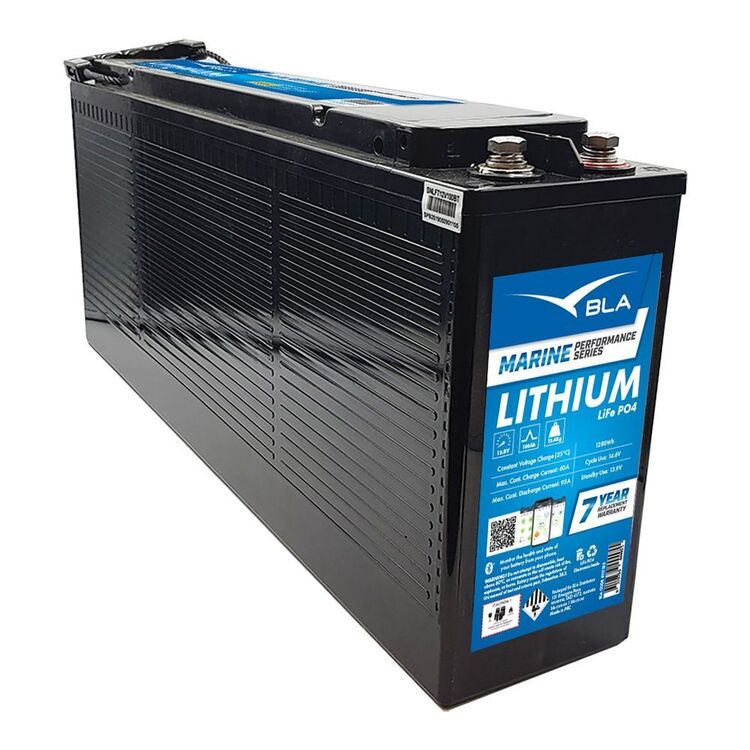
Compare prices and features to find a lithium battery that gives you the best value for your camping needs. For example, if you have lower energy usage or are not travelling for long periods at a time, the BLA Marine Performance 12V Lithium battery is an affordable option that still features a high energy density.
For those with a higher energy usage, you may want to invest in a more high-end battery. For example, the HardKorr 210Ah Lithium Lifepo4 Slimline Deep Cycle Battery offers a large capacity, a long cycle life, and a fast charge speed up to 4 times more than the average AGM battery.
Wrapping Up
Moreover, since lithium batteries have a deep discharge capability, they can be safely discharged to lower levels without causing damage; providing more usable capacity and flexibility in power management during caravan, RV, and camping trips.
Related Posts
 Must-Have 12V Camping Appliances & Accessories for 2026
Love to take your favourite appliances on your camping trip? We have the complete list…
 Solar Panels vs. Generators: Which Power Option is Best for Camping?
Let’s be real: keeping your gear powered while camping used to mean sacrificing peace and…
 What to Consider Before Buying a Motorhome, Caravan or Camper Trailer
This isn’t a decision to make overnight. We put this buyer’s guide together to help…
 Best Caravan Vacuum Cleaners 2026: The Ultimate Battery System Hack
Let’s be honest: keeping a caravan or camper trailer clean is a bit like fighting…
 Expert-Approved Caravan Essentials You Need in 2026
These caravan essentials not only uplift your caravan’s interior but also elevate your home away…
 Tested storage solutions for your caravan and camping adventures
Keeping your camp site organised and secure is essential. Knowing that everything is safely stored…
