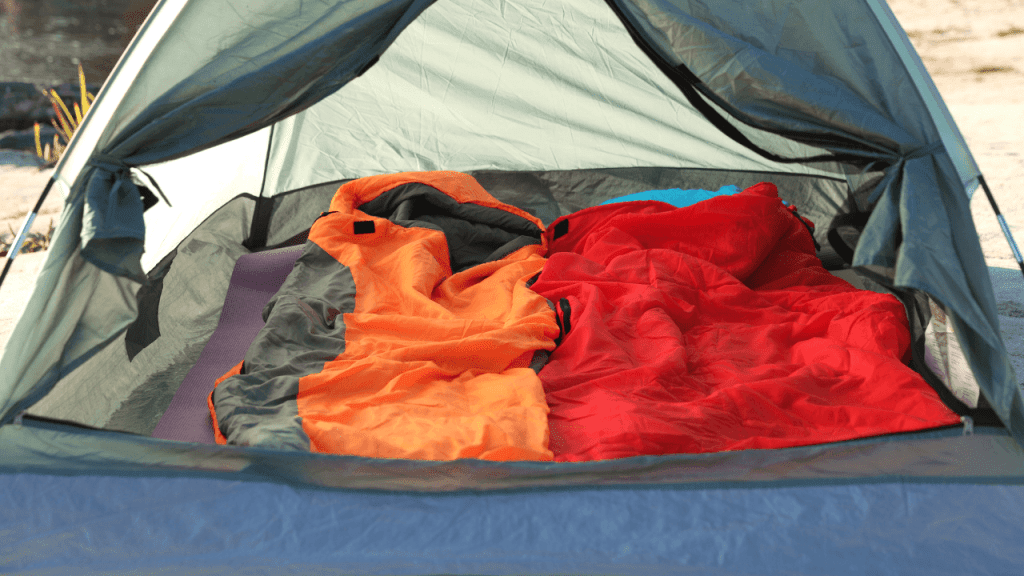
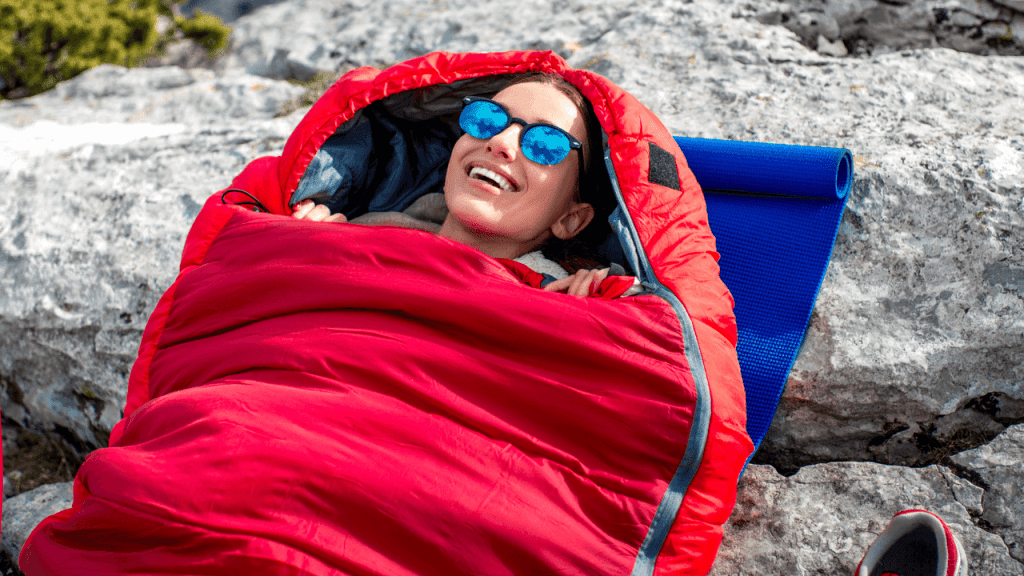
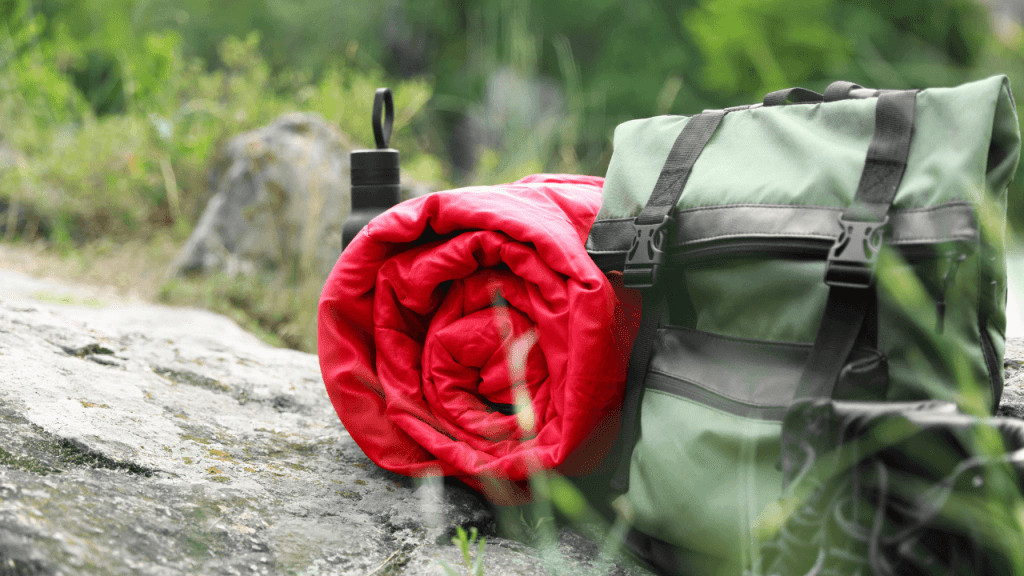
There is a very specific kind of regret that hits you at 2 AM in the middle of a Blue Mountains camping trip when the temperature drops and you realise your “all-rounder” sleeping bag is about as effective as a wet paper towel. We’ve learned over the years that while your tent keeps the wind out, it’s your sleeping bag that actually does the heavy lifting when it comes to a decent night’s sleep.
Whether you’re heading for a coastal farm stay camping experience or prepping for a chilly desert night, picking the right bag is a science. It’s not just about being “warm”; it’s about matching the insulation, shape, and features to exactly how and where you like to pull up for the night.
In Australia, we deal with everything from tropical humidity to alpine frosts. When you’re looking at a bag, you’ll usually see two main numbers:
- Comfort Rating: This is the one to watch. It’s the temperature at which a “cold sleeper” will feel snug. If you’re heading somewhere like Tassie or the High Country, aim for a comfort rating lower than the expected overnight minimum.
- Limit Rating: This is for the “warm sleepers” who can handle a bit of a chill.
Our Rule of Thumb: Always err on the side of warmth. You can always unzip a bag if you’re too hot, but you can’t make a thin bag thicker in the middle of the night!
Finding Your Shape: Mummy vs. Rectangular
- Mummy Bags: These are tapered at the feet and have a hood. We love these for winter because they trap heat close to your body. They’re also much easier to pack down if you’re trying to keep your Big Lap budget lean and your storage space tidy.
- Rectangular Bags: If you like to stretch out or find yourself at pet friendly cabins where you just want a familiar blanket feel, these are great. They offer more room to move but aren’t as efficient at holding heat.
- Hybrids: These give you a bit of both—extra legroom with a tapered top to keep the warmth in.
Down vs. Synthetic: The Great Debate
- Down Insulation: It’s the “Gold Standard” for warmth and weight. It compresses beautifully, making it perfect for hikers. However, it’s more expensive and loses its warmth the second it gets wet.
- Synthetic Insulation: For most Aussie families, synthetic is the winner. It’s affordable, handles moisture better (great for coastal camping), and dries out quickly if there’s a spill or a bit of condensation.
Features That Make a Difference
- Draft Collars: These are extra tubes of insulation around the neck that stop heat from escaping every time you move.
- Two-Way Zippers: Essential for those “hybrid” nights where your torso is cold but your feet are boiling. You can unzip just the bottom for a bit of airflow.
- Internal Pockets: Perfect for keeping your torch or phone close so the battery doesn’t die in the cold.
Seasonality: 1 to 4 Seasons
- 1-2 Seasons: Perfect for summer beach trips or northern Queensland.
- 3 Seasons: The “Sweet Spot” for most Aussies. It handles everything from spring nights to late autumn.
- 4 Seasons: Only for the serious alpine stuff. Unless you’re sleeping in the snow, it’s usually overkill and takes up way too much room in the van.
A Few Budget-Friendly Picks (Under $100)
If you’re looking for quality without the eye-watering price tag, we often suggest:
Final Thoughts: Comfort Is Key
At the end of the day, your sleeping bag is your sanctuary. It’s the place you crawl into after a long day of exploring or a few too many marshmallows around the fire. Take the time to get the right fit, and you’ll wake up ready to hit the tracks instead of reaching for the extra coffee.
Sleep tight, and we’ll see you at sunrise!